In a world where first impressions count, an interior design photo can make or break a project. Imagine scrolling through social media and stumbling upon a breathtaking room that practically beckons you to step inside. That’s the magic of great photography. It’s not just about snapping a few pictures: it’s about telling a story, showcasing creativity, and attracting potential clients. In this text, we’ll jump into why interior design photography is essential, the impact it has on marketing, and some pro tips to ensure your photos reflect the beauty of your designs. Ready to turn your interiors into unforgettable visuals? Let’s immerse.
The Importance of Interior Design Photography
Enhancing Aesthetic Appeal
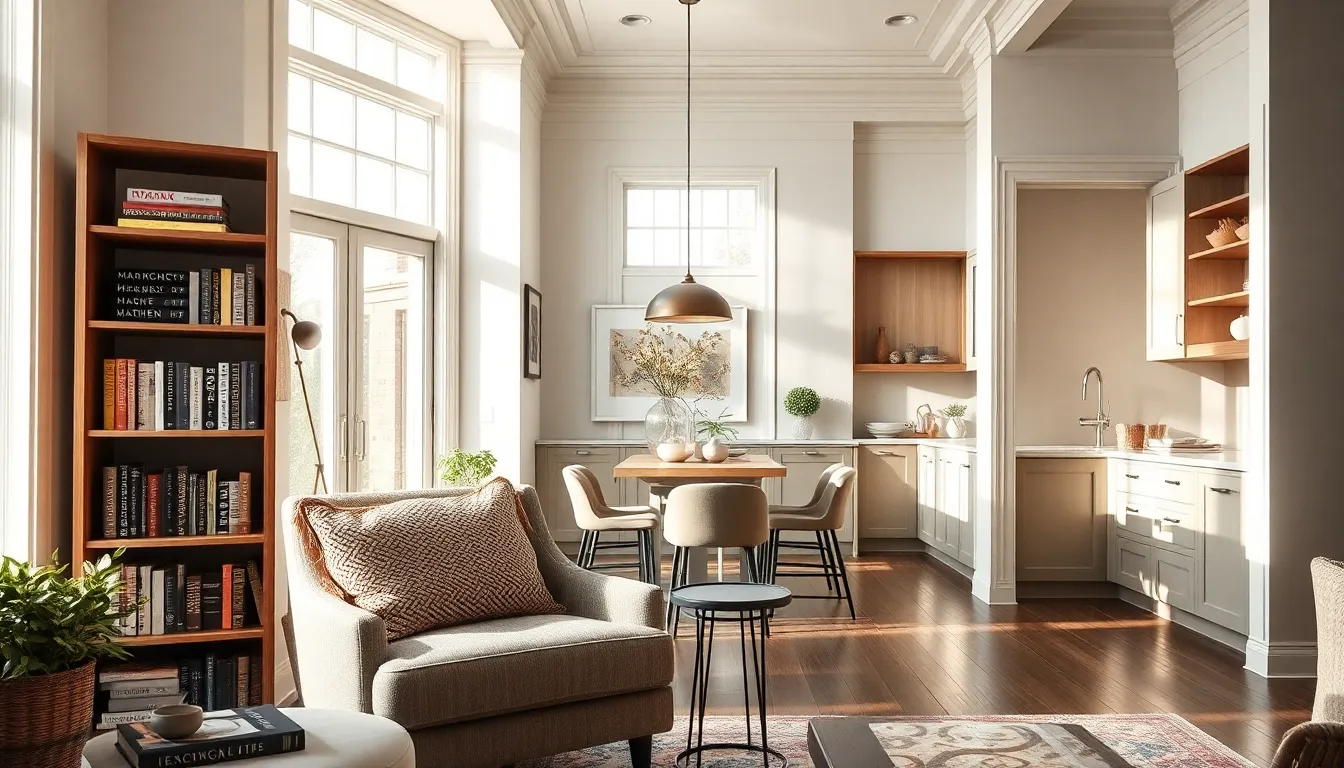
Interior design photography holds a unique power to elevate spaces beyond their physical confines. Great images showcase the colors, textures, and designs that define a space. By highlighting aesthetics, they can evoke emotions and create connection. When thoughtfully captured, an interior design photo transforms ordinary rooms into captivating visual stories. Just think of that cozy reading nook or minimalist kitchen glowing in natural light, photography allows viewers to experience those moments as if they were right there.
Capturing Design Details
Details matter in interior design, and photography is the perfect medium to capture these nuances. From intricate moldings to carefully chosen accessories, every element contributes to the overall design narrative. A well-composed shot reveals the thought and craftsmanship that went into each corner of the space. It gives potential clients an insight into the designer’s approach, making every detail a testament to their expertise. Eventually, the right photograph speaks volumes about the quality and intention behind the design.
The Role of Photography in Marketing
Showcasing Your Portfolio
In today’s digital landscape, a robust online presence is crucial for any designer. High-quality interior design photos serve as a visual portfolio, displaying a designer’s signature style and competencies. When done right, these images attract attention, generate intrigue, and encourage inquiries into further work. Social media platforms like Instagram and Pinterest thrive on visuals, making stunning photography essential for anyone looking to stand out. Think of it as your online business card: the more appealing it is, the more likely potential clients will remember you.
Attracting Potential Clients
Attracting clients isn’t merely about showcasing designs but presenting them in a way that resonates. Engaging photography can mesmerize potential clients, drawing them into an experience of the space. When they see vibrant colors, inviting layouts, and harmonious designs, they begin to picture what their own homes might look like. It’s an invitation, one they can’t help but respond to. After all, who wouldn’t want their environment to mirror those perfectly staged photos?
Tips for Effective Interior Design Photography
Choosing the Right Equipment
To capture stunning interior design photos, one must start with the right tools. A camera with a wide-angle lens is essential for capturing entire rooms and making spaces feel expansive. Also, having a tripod stabilizes shots and enhances clarity, particularly in low-light conditions. Don’t forget about a good editing software that can help you polish your images after you’ve taken them. But, remember that the photographer’s eye is equally as important as the equipment.
Lighting and Composition Techniques
Lighting significantly influences the mood of a photograph. Natural light is often the best option, bringing warmth and authenticity to interiors. When working indoors, try to schedule shoots during golden hours, early morning or late afternoon, to capture soft, flattering light.
As for composition, use the rule of thirds. This technique involves dividing your frame into a grid and placing points of interest along those lines or intersections. Such techniques can bring balance and movement to your shots.
Staging Spaces for Photos
Before hitting the shutter button, take a moment to stage your space. Removing clutter allows key design elements to shine through. Thoughtful staging can showcase a room’s purpose and functionality. Use throw pillows, fresh flowers, or even a stack of beautifully arranged books to enhance the setting. Small details can create inviting atmospheres that resonate with viewers.
Editing and Post-Production Tips
Using Software for Enhancements
Post-production is where the magic truly happens. Using editing software like Adobe Lightroom or Photoshop, designers can enhance colors, adjust lighting, and refine overall composition. But, the goal isn’t to create something unrecognizable: it’s about enhancing what’s already there. Subtlety is key, use tools to brighten shadows, reduce highlights, or correct distortion without losing the room’s authenticity. A well-edited photo invites intrigue, guiding the viewer’s focus without overwhelming them.
Maintaining Originality and Authenticity
While it’s tempting to adopt popular styles or trends in interior design photography, maintaining originality is paramount. Every design tells a unique story, and photography should reflect that narrative. Emphasizing personal style and genuine elements fosters connections with potential clients. Authenticity cultivates trust, ensuring that clients feel assured about hiring a designer who genuinely understands their needs and aesthetics.